
Building a Thread-to-Bead Color Database
Why we built our own thread-to-bead color database for Match & Stitch - the hands-on matching methods behind reliable DMC, Anchor, and Miyuki pairs.
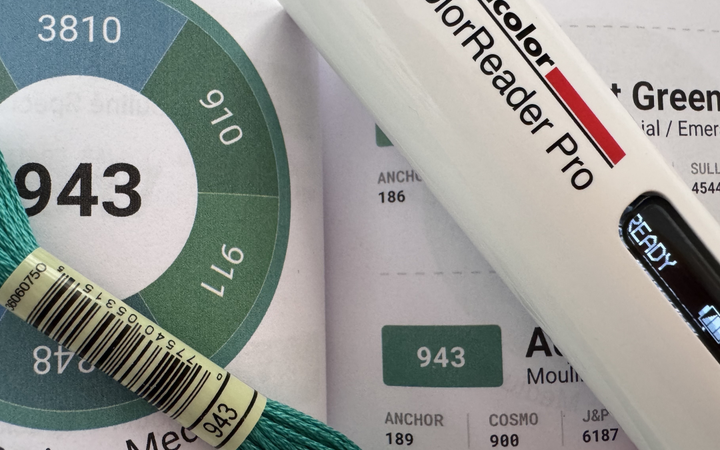
We assumed the hardest part of Match & Stitch would be turning a big collection of materials into a useful matching tool. In fact, one of our first problems was the data itself.
About four months ago, we sized up the project: more than 1,000 thread colors and over 1,200 bead colors and finishes. We expected reliable conversion data to already exist. Once we checked the sources against the real materials, that confidence disappeared.
The conversion data did not match the materials
We went through well-known websites that publish color conversion lists. We bought a specialist book, searched manufacturer resources, and compared all of it with the threads themselves.
The sources often disagreed with each other. Some differences were small, and others gave matches we couldn't use. We also found HEX and RGB values that looked more like generic screen colors than measurements of the actual thread.
We couldn't just copy inconsistent data into a bigger database and call it a matching system. We had to see how the information held up against the materials embroiderers and beaders actually use.
Thread-to-bead matching was the biggest gap
There was at least some thread-to-thread conversion data. But when we looked for a way to convert a thread color to a bead color, we found almost nothing: only about 30 suggested matches across more than 1,200 bead options.
That gap changed the project. We stopped collecting existing conversions and decided to build the thread-to-bead database ourselves.
A colorimeter gave us a consistent way to measure thread
We brought together the complete DMC and Anchor thread catalogs, a large collection of Miyuki Delica beads, and a colorimeter.
A colorimeter measures the color of a material under controlled conditions. For embroidery thread, it let us take consistent readings from the thread itself, so we didn't have to rely on a color shown on a screen.
It didn't solve every part of the problem, but it gave the thread side of the database a controlled, repeatable starting point.
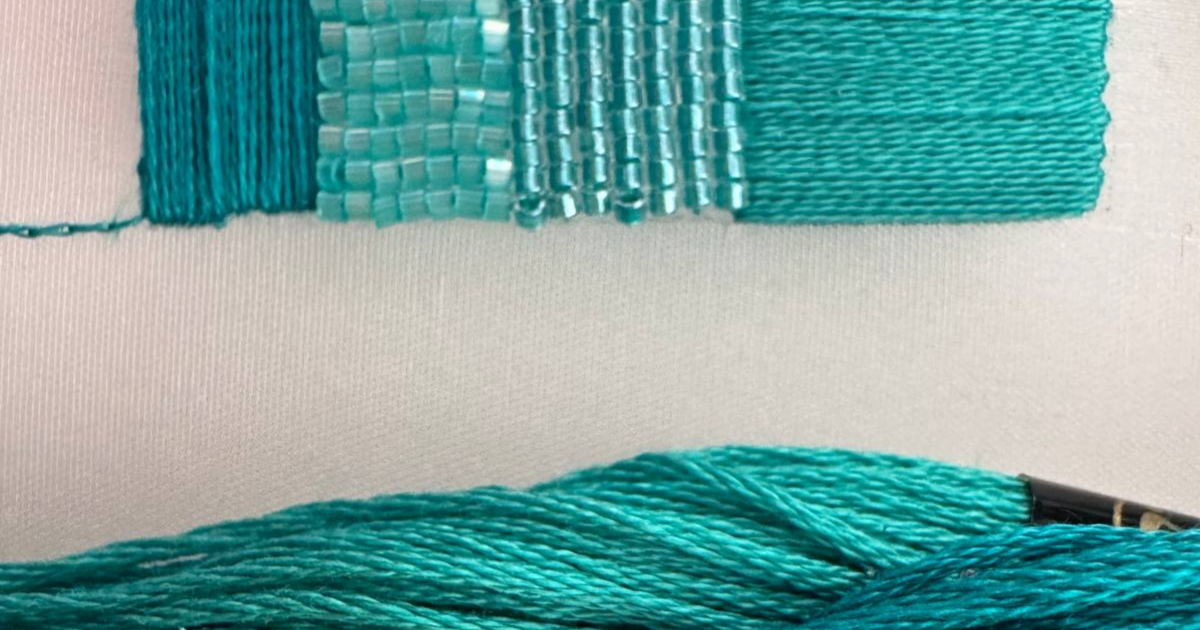
Glass beads needed a different method
The same approach wasn't reliable enough for Miyuki Delica beads. They're made of glass, and their finishes change how they reflect light. Those reflections can throw off a colorimeter reading.
So we didn't force one method onto both materials. We compared the beads and threads by hand, one by one. It was slow, careful work, but it let us judge each combination with the real materials in front of us.
That's how we've spent much of the past four months: comparing threads and beads, testing combinations, and building a database that helps makers choose materials for their projects.
The database is almost complete
We still have a few final checks to do, but the database is nearly finished.
One matching scenario didn't fit the main method, so we created a separate mode for it. In the next post, we'll explain that scenario and show how the mode works.
Follow the Match & Stitch build
Match & Stitch is new on social media. Follow the project on Facebook, Instagram, LinkedIn, Pinterest or join the Reddit community to see the next part of the build and the separate matching mode.
You can also follow the shared Ornamentico YouTube channel for updates on all our projects.
Match & Stitch color matching
Browse the Anchor to Miyuki Delica Color Matching Catalog in the Ornamentico shop for thread-to-bead pairings for your next project.
Related reading: Why Creative Match Goes Beyond Exact Color Matching