
Why Threads and Beads Need HEX and RGB References
Match & Stitch is adding HEX and RGB references to DMC, Anchor, and Miyuki Delica colors so makers can plan digitally while keeping screen color limits clear.
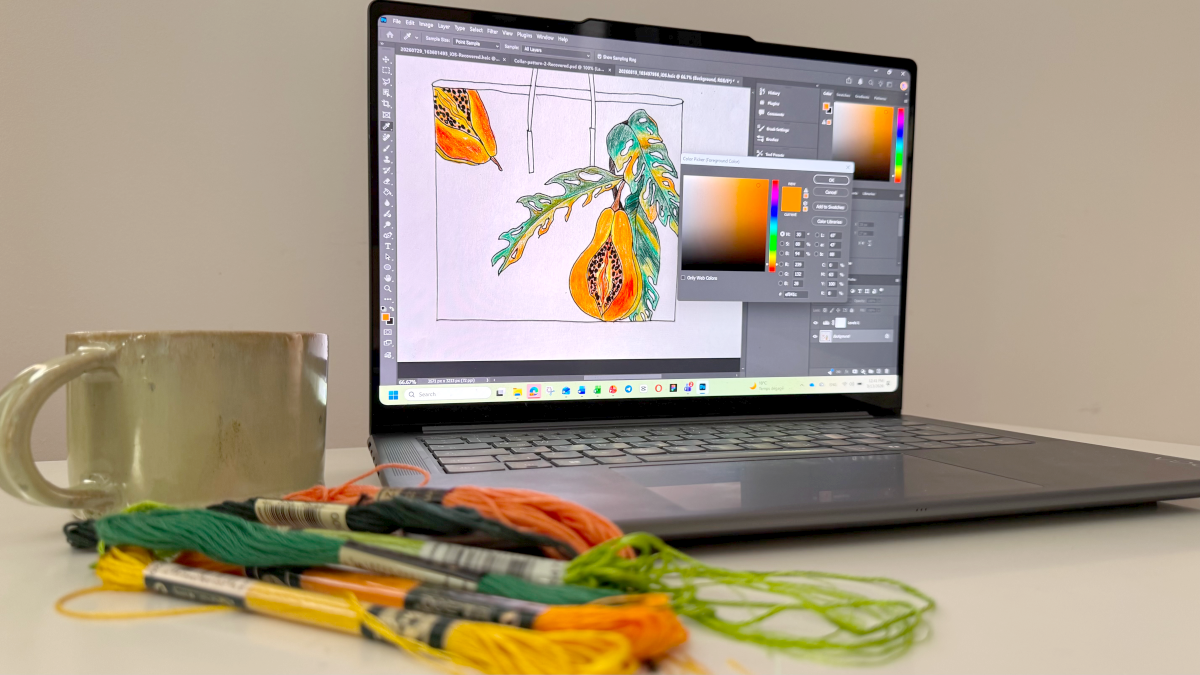
Your thread has a number, but your screen wants a color code. This creates a small but familiar translation problem for makers who plan embroidery or beadwork digitally.
A skein is not a pixel, and a shiny bead is even less cooperative. Still, a useful digital reference can make the planning stage much easier. That is why we are adding HEX and RGB references for DMC and Anchor threads and for Miyuki Delica beads.
What HEX and RGB describe
RGB describes a digital color by specifying the amounts of red, green, and blue light. HEX usually encodes those same channel values as a short code. Both are common ways to tell a design program which screen color to display.
A physical thread or bead uses a different kind of identification. DMC, Anchor, and Miyuki Delica assign product numbers to their materials. Those numbers are useful when you shop or organize supplies, but they do not tell a drawing program which color to place on the screen.
When the material comes first
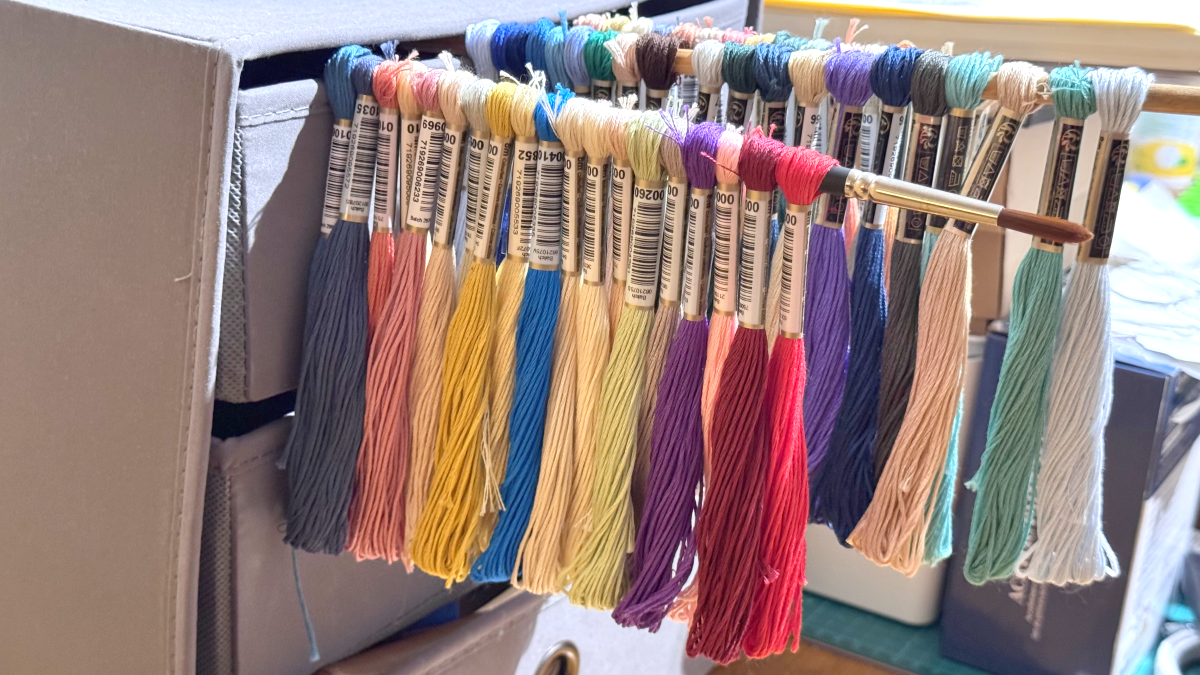
Many makers begin with a material they already know: a DMC thread chosen for a commission, an Anchor shade from the workbox, or a Miyuki Delica bead that must be included in the design. The next step is to make the digital sketch match that material.
Without a reference, you choose the screen color by eye. A HEX or RGB value offers a more consistent starting point in a compatible drawing, photo-editing, or design program.
When the screen comes first
Other makers work in the opposite direction. They develop the idea on a tablet or computer, finalize the composition, and choose physical materials later. In that workflow, digital color references help compare the screen plan with the available thread and bead options.
Neither order is inherently more correct. Some people plan nearly everything on screen. Others draw only the outline and make the key color decisions at the frame. Client work may require a more detailed preview, while a personal piece can leave room for improvisation.
Why a reference is not an exact copy
A screen emits light, while thread and beads reflect it. That difference alone prevents a perfect one-to-one reproduction, and the material introduces additional variables.
Thread changes as strands separate, twist, overlap, and catch the light. Stitch density affects the perceived depth of the color. Nearby colors can shift how a shade feels. Beads add their own complications through shine, transparency, coatings, and the color of the thread beneath them.
The lighting in the room matters, too. The same skein can look different beside a window, under a warm lamp, or in a photograph. One flat digital color cannot capture all those conditions.
How to use the reference well
Treat the HEX or RGB value as a planning reference. Use it to start the digital sketch, compare combinations, prepare a client preview, or create a clearer guide for yourself. Then check the physical material under the lighting and arrangement that matter for the finished piece.
This approach keeps the digital preview useful without asking it to make a promise the material cannot keep. The goal is not to make thread behave like a screen. It is to reduce the gap between them while you plan.
Where Match & Stitch fits
Match & Stitch is being built to reduce the time embroiderers and beaders spend searching, comparing and second-guessing materials. HEX and RGB references are part of that workflow. They help connect a known DMC, Anchor, or Miyuki Delica color to the digital design stage.