
Why We Built Our Own Thread-to-Bead Color Database
Reliable thread-to-bead matching data was hard to find, so we measured embroidery threads and compared Miyuki Delica beads by hand.
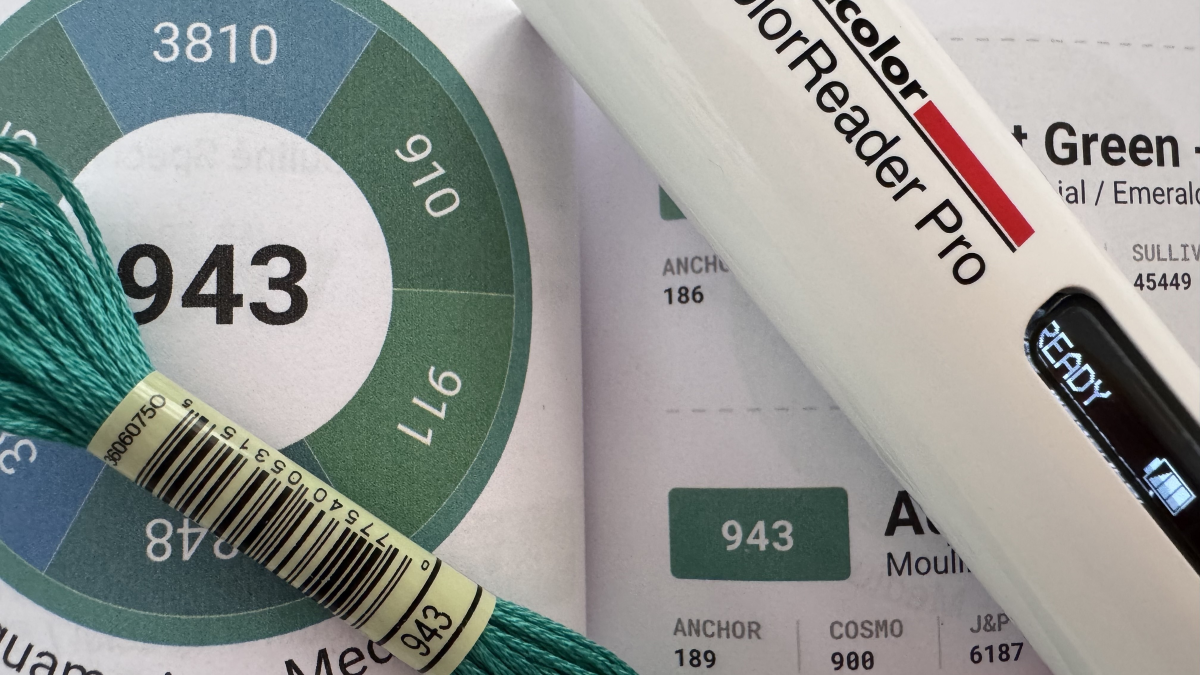
We assumed the hardest part of Match & Stitch would be turning a large collection of materials into a useful matching tool. Instead, one of our first challenges was the data itself.
About four months ago, we mapped the project's scale: more than 1,000 thread colors and over 1,200 bead colors and finishes. We expected reliable conversion information to already exist. Once we checked the sources against the physical materials, that confidence disappeared.
The conversion data did not align with the materials
We reviewed well-known websites that publish color-conversion lists. We bought a specialist book, searched manufacturer resources, and compared the available information with the threads themselves.
The sources often disagreed with one another. Some differences were minor, while others resulted in unusable matches. We also found HEX and RGB values that were closer to generic screen colors than to measurements taken from the actual thread.
For a matching system, we could not simply copy inconsistent source data into a larger database. We needed to check how the information held up against the materials that embroiderers and beaders actually use.
Thread-to-bead matching was the largest gap
There was at least some thread-to-thread conversion data. When we looked for ways to convert a thread color to a bead color, we found almost nothing: only about 30 suggested matches among more than 1,200 bead options.
That gap changed the project. Instead of assembling a collection of existing conversions, we decided to build the thread-to-bead database ourselves.
A colorimeter gave us a consistent way to measure thread
We brought together complete DMC and Anchor thread catalogs, a substantial collection of Miyuki Delica beads, and a colorimeter.
A colorimeter measures a material's color under controlled conditions. For embroidery thread, it gave us a consistent way to collect readings from the physical material rather than relying on a color shown on a screen.
It did not solve every part of the problem, but it gave the thread-side of the database a controlled and repeatable starting point.
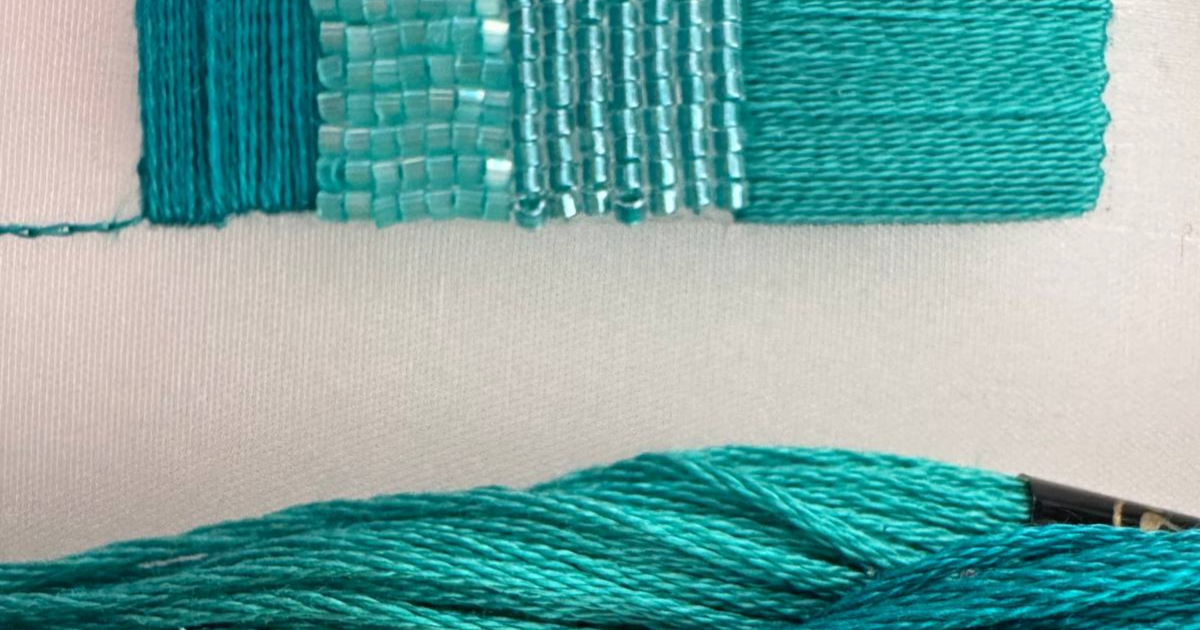
Glass beads needed a different method
The same approach was not reliable enough for Miyuki Delica beads. They are made of glass, and their finishes affect how they reflect light. Those reflections can distort a colorimeter reading.
Rather than forcing one method to fit both materials, we compared the beads and threads physically, one by one. It was careful, manual work, but it let us judge the combinations using the actual materials.
That is how we have spent much of the past four months: comparing threads and beads, testing combinations, and building a database to help makers choose materials for their projects.
The database is almost complete
We still have a few final checks and validations to complete, but the database is nearly finished.
One matching scenario did not align with the main method, so we created a separate mode for it. We will explain that scenario and demonstrate how the mode works in the next post.
Follow the Match & Stitch build
Match & Stitch is new on social media. Follow the project on Facebook, Instagram, LinkedIn, Pinterest or join the Reddit community to see the next part of the build and the separate matching mode.
You can also follow the shared Ornamentico YouTube channel for updates across all our projects.